

Architect of the Dutch Golden Age
Pieter Post was a Dutch painter, architect, and draftsman who played a pivotal role in shaping the classical style of Dutch Baroque architecture during the 17th century. Born in Haarlem in 1608, he is best remembered not so much for his paintings, but for his groundbreaking architectural designs, many of which still define the urban landscapes of the Netherlands today.
Early Life and Background
Pieter Post came from an artistic family. His younger brother, Frans Post, became a well-known landscape painter of Brazil. Pieter was initially trained as a painter and draftsman, joining the Guild of St. Luke in Haarlem in 1623. Though his early work included topographical drawings and paintings, his reputation soon shifted toward architecture, where he would leave a lasting legacy.
Architecture and Collaborations
In the 1630s, Post began collaborating with Jacob van Campen, the leading architect of the Dutch Republic at the time. Together, they helped establish the Dutch Classicist style, inspired by Italian Renaissance and Palladian architecture, but adapted to the sober tastes and civic ideals of the Dutch middle class.
One of their most famous joint projects was the Mauritshuis in The Hague, now home to the Royal Picture Gallery. The building’s symmetrical design, harmonious proportions, and use of classical elements like pilasters and pediments exemplify the refined Dutch Classicist approach that Post would continue to develop throughout his career.
After Van Campen’s retirement, Pieter Post became the chief architect for many public buildings, working under the patronage of the House of Orange and local governments. He designed city halls, palaces, churches, and hospital buildings across the country.
Notable Works
Some of Pieter Post’s most significant architectural achievements include:
He was known for his clarity of design, balanced compositions, and elegant restraint, avoiding excessive ornamentation while still conveying grandeur and order. Post’s work symbolized the ideals of the Dutch Republic order, civic pride, and rational beauty.
Painting and Drawing
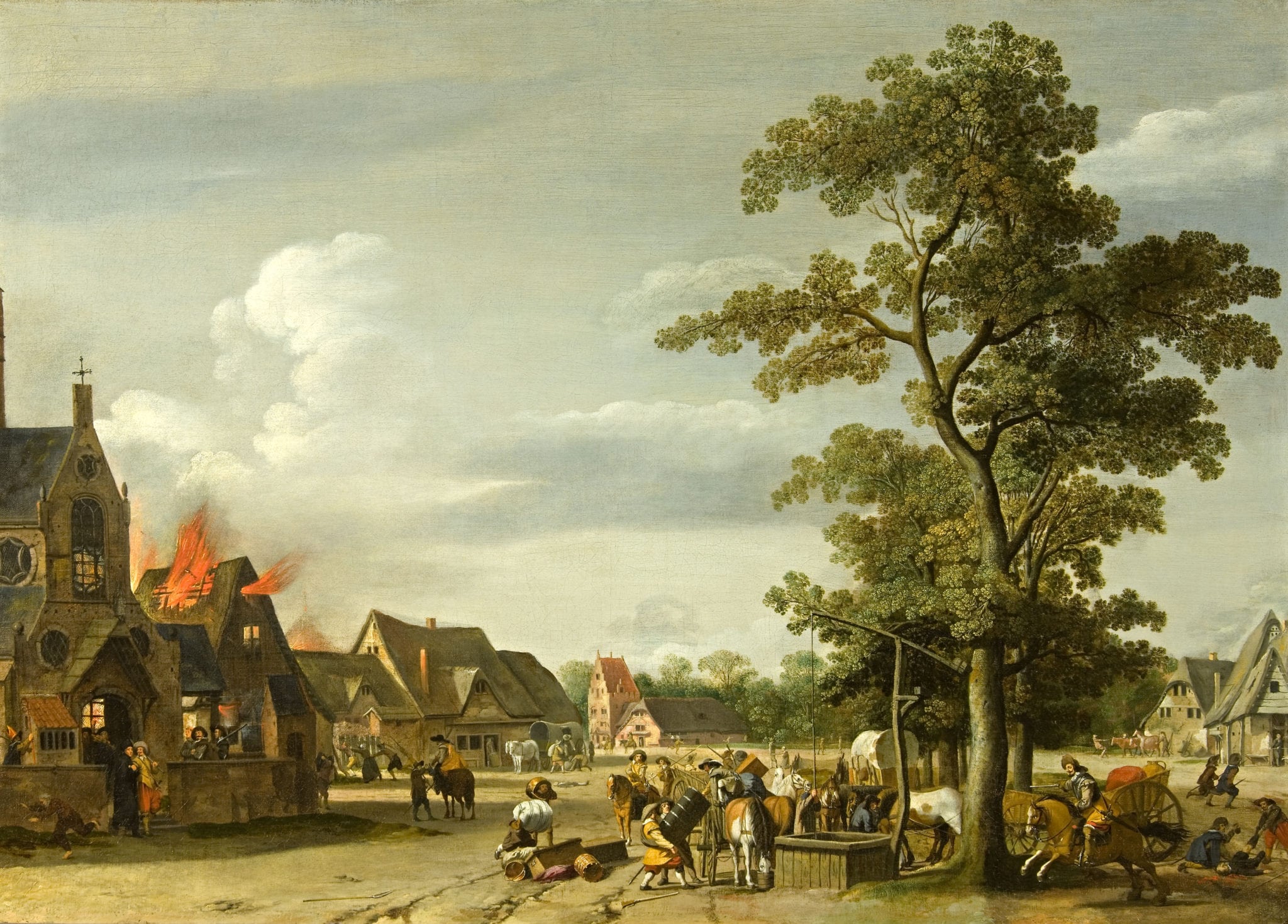
Although primarily remembered as an architect, Post also continued to work as a painter and illustrator throughout his life. His artistic background helped him produce detailed architectural drawings and elegant visual presentations of his designs. He also contributed illustrations for engravings and collaborated on decorative schemes for buildings.
Legacy
Pieter Post died in The Hague in 1669. His influence lived on not only through his buildings but also through his son, Maurits Post, who became an architect in his own right and continued his father’s style into the late 17th century.
Today, Pieter Post is recognized as one of the founding figures of Dutch Classicism, whose architectural vision helped define the civic and royal identity of the Dutch Golden Age. His works remain enduring symbols of the period’s cultural and political aspirations, combining artistic refinement with architectural innovation.
Share this:
