
Painter of Landscape, Labor, and the Seasons
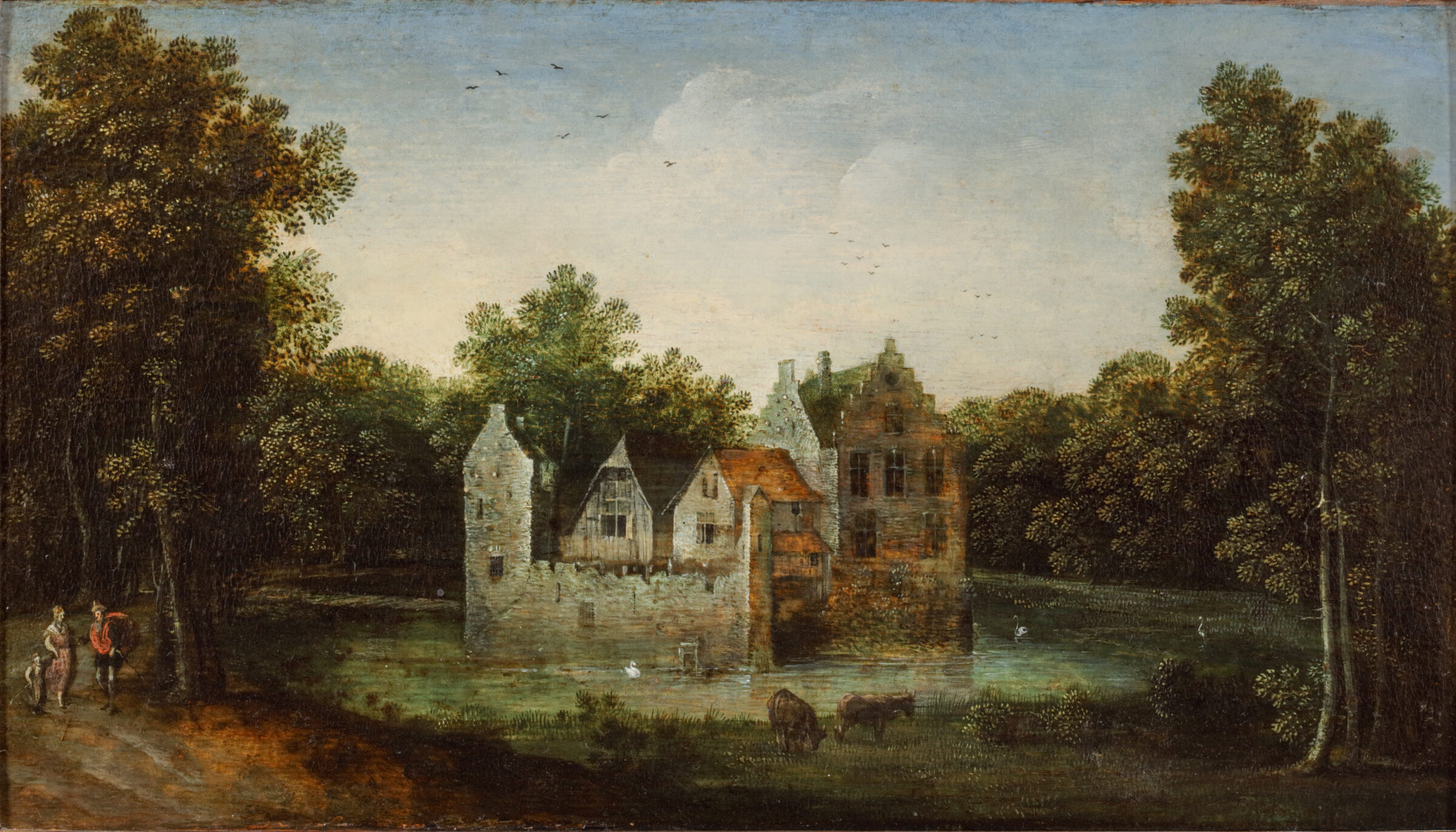
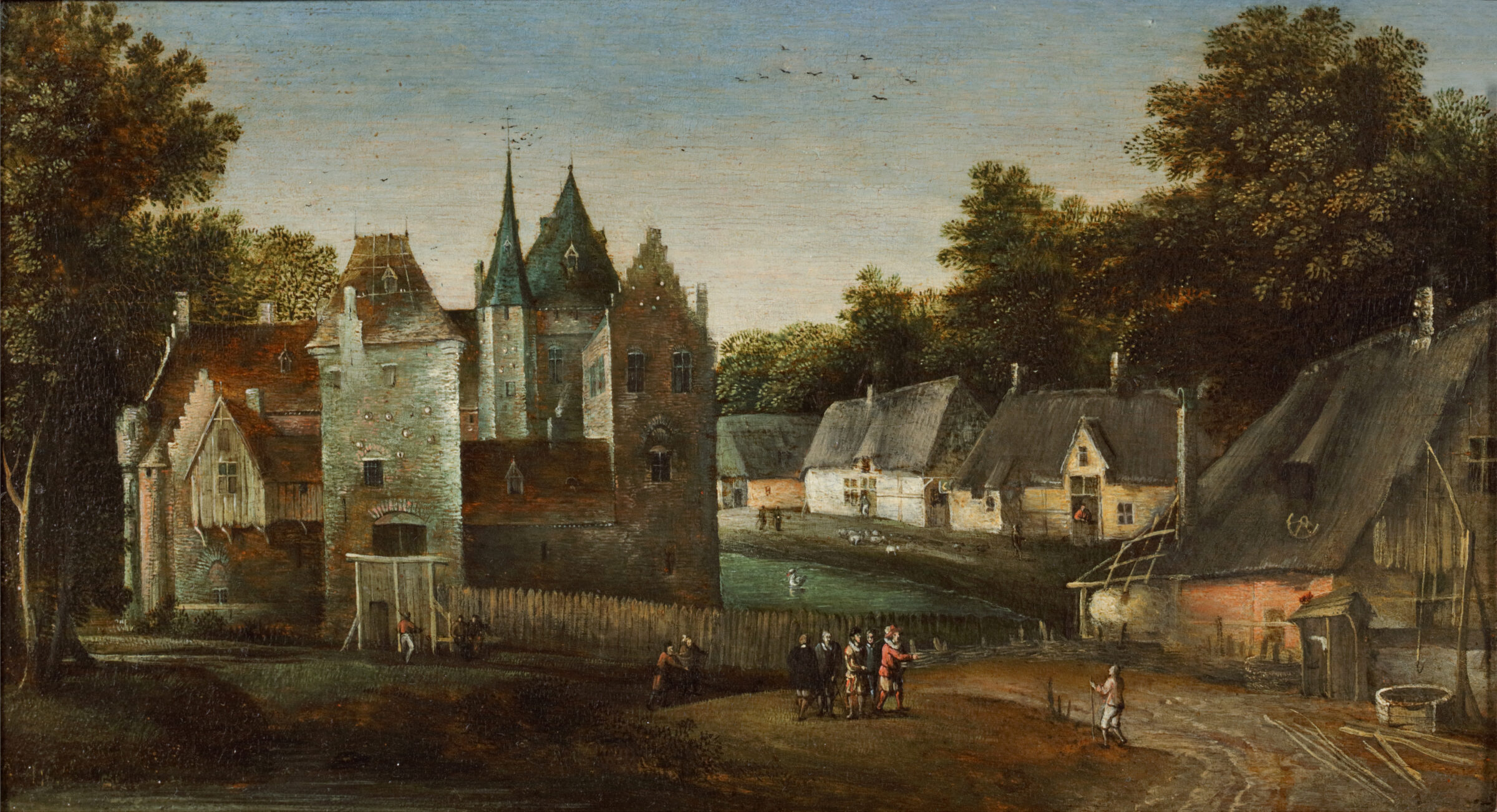
Jacob Grimmer was a Flemish painter active during the 16th century, renowned for his landscape paintings that reflect the changing seasons and the rhythms of rural life. Born around 1525 in Antwerp, Grimmer worked during a time of great artistic development in the Low Countries, when artists were beginning to shift away from religious themes toward depictions of the natural world and daily life.
Grimmer’s work is often associated with the Flemish landscape tradition, a genre that flourished in the Southern Netherlands. He was deeply influenced by the pioneering landscape artist Pieter Bruegel the Elder, and Grimmer’s paintings often echo Bruegel’s attention to seasonal cycles, peasant labor, and natural scenery. However, Grimmer developed his own distinctive approach that blended realism with stylized composition, offering scenes that feel both idealized and grounded in observation.
One of Grimmer’s most recognizable contributions was his series of paintings representing the Four Seasons or the Twelve Months—a format popular in the late Renaissance that combined landscape with genre painting. In these works, he portrayed villagers working, harvesting, ice-skating, or enjoying festivals, with each activity corresponding to a specific time of year. These series were not only admired for their artistic quality but also for their didactic and symbolic value, reminding viewers of the order and harmony of creation.
Stylistically, Grimmer’s landscapes often feature broad, panoramic views, low horizons, and vivid depictions of weather and light. His figures—farmers, travelers, shepherds—are integrated into the scenery in a way that emphasizes humanity’s place within the larger natural order. His color palette is typically warm and earthy, with a preference for soft greens, browns, and blues that enhance the sense of calm and pastoral simplicity.
In addition to landscapes, Grimmer produced religious paintings and copies or interpretations of works by earlier masters, including Joachim Patinir and Bruegel. These copies were popular among patrons and helped spread the visual vocabulary of Flemish art throughout Europe.
Grimmer’s workshop was productive and well-regarded, and his influence extended into the next generation through his son, Abel Grimmer, who also became a noted landscape painter. The Grimmer family played a key role in solidifying the Flemish approach to landscape, which emphasized not only scenic beauty, but also symbolism, labor, and seasonal rhythm.
Although Jacob Grimmer’s name is not as widely known today as some of his contemporaries, his work laid the foundation for many developments in landscape painting in both the Flemish and Dutch traditions. His images continue to resonate for their lyrical portrayal of the bond between people and the land.
Grimmer likely died around 1590 in Antwerp. Today, his paintings can be found in major collections, including the Kunsthistorisches Museum in Vienna, the Royal Museums of Fine Arts of Belgium, and various European and private collections, where they are admired for their clarity, balance, and timeless charm.
Share this: